Ice baths and saunas can change how recovery feels, but neither is a universal repair tool. Cold-water immersion may reduce soreness after demanding exercise, while heat may feel relaxing and has emerging health research. Effects depend on timing, dose, training goal, medical risk, and what “recovery” means. Sleep, food, hydration, and workload remain the foundation.
Summary: Use cold selectively when short-term soreness matters, not automatically after every muscle-building session. Use sauna for comfort or heat exposure only if you tolerate it safely. Neither method replaces rest or treats injury. Avoid extreme temperatures when illness, dehydration, cardiovascular concerns, pregnancy, impaired sensation, or substance use raises risk.
Recovery is more than soreness
Recovery may refer to less soreness, restored performance, tissue adaptation, sleep, mood, or readiness for the next event. A method can improve one outcome without improving all of them. Feeling numb after cold water is not proof of faster muscle repair, and sweating heavily in a sauna is not proof that toxins or body fat have been removed.
Before buying equipment or copying an athlete, define the actual problem. If repeated hard sessions leave you too sore for a tournament, short-term comfort may matter. If the goal is long-term strength and muscle, adaptation matters more. If pain is sharp, localized, or worsening, a recovery gadget is not an assessment.
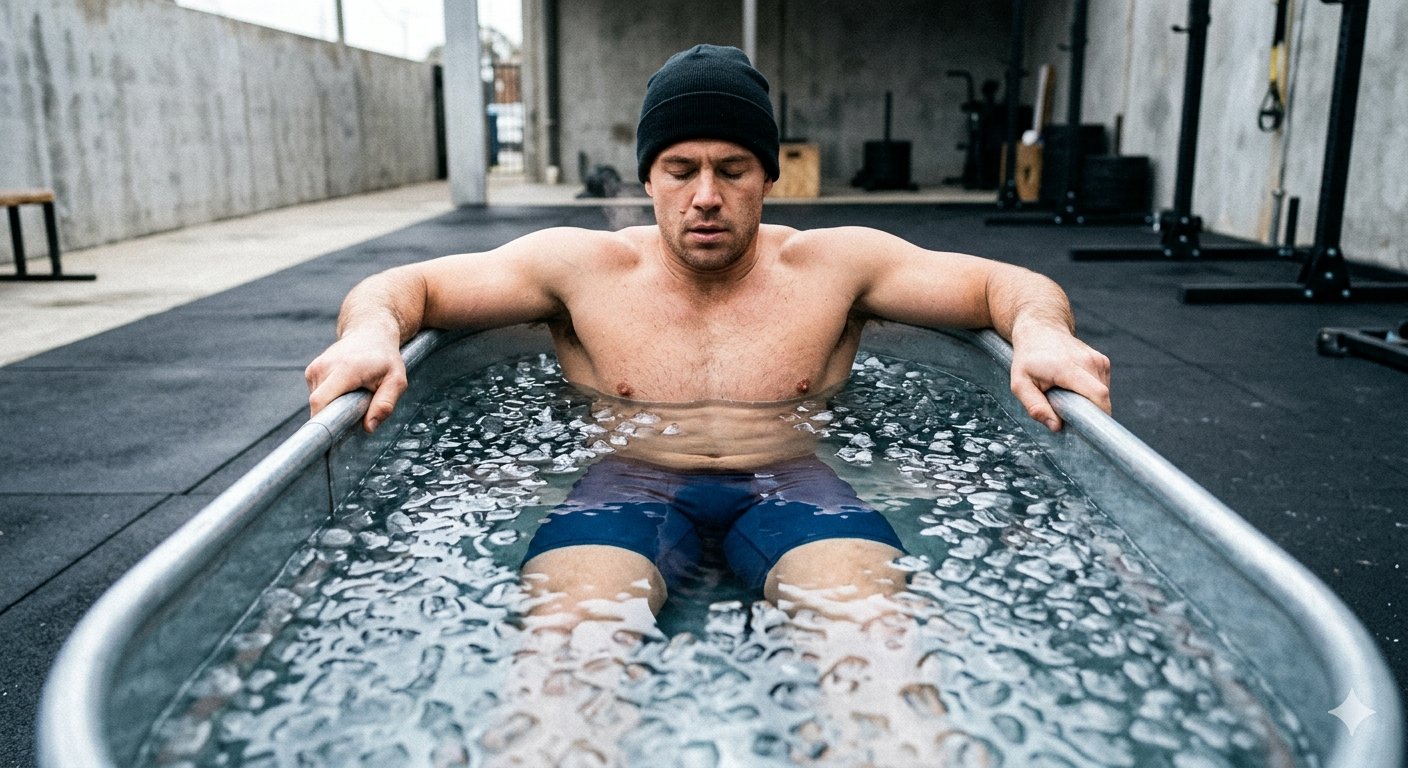
What cold-water immersion may and may not do
A systematic review of cold-water immersion found that outcomes vary by comparison method, timing, and type of exercise. Cold may help some perceptions of soreness or short-term recovery after strenuous work, but results should not be generalized to every person, protocol, or training goal.
Routine immediate cold exposure after resistance training deserves caution. In one randomized training study, post-exercise cold-water immersion attenuated some strength and hypertrophy adaptations compared with active recovery in the studied participants. That does not make a single ice bath harmful, but it challenges the idea that colder is always better after lifting.
What sauna evidence can support
Sauna exposes the body to heat, raises skin temperature and heart rate, and causes sweating. People may find it relaxing, but hydration loss is not fat loss. Research on regular sauna bathing includes observational evidence and smaller interventions; a systematic review of clinical effects reported promising findings while also highlighting variation in protocols and study quality.
Sauna should therefore be framed as optional heat exposure, not a cure-all. Claims that it detoxifies the body, replaces cardiovascular exercise, guarantees better sleep, or prevents disease go beyond what a consumer recovery routine can establish. The person, temperature, duration, and health context matter.
A decision guide for different goals
After a competition with another event soon, cold may be considered for short-term soreness management if you have used it safely before. After a normal muscle-building workout, a cooldown, food, fluid, and sleep may better support the training goal. After an easy session, neither heat nor cold is usually necessary.
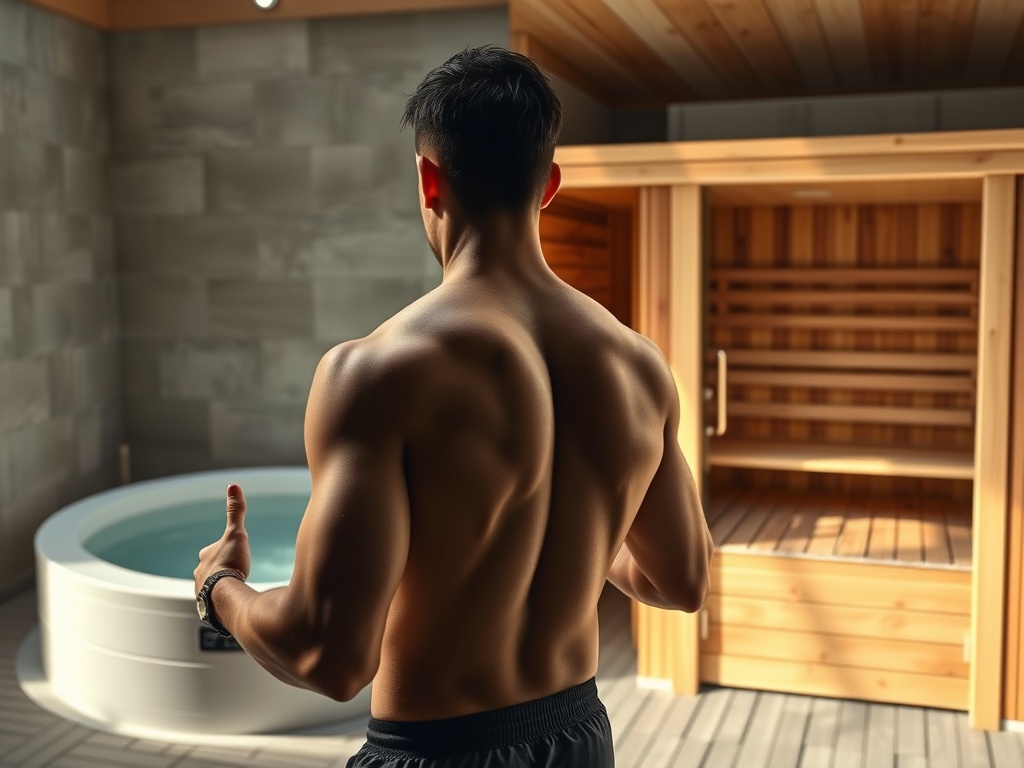
Sauna may fit on an easier day or after training when you are rehydrated and not light-headed. Start conservatively, leave if you feel unwell, and avoid turning tolerance into a contest. The article on strength training for women explains why the training stimulus and progressive plan deserve more attention than post-workout rituals.
Safety is not optional
Never enter very cold water alone, especially outdoors. Cold shock can rapidly disrupt breathing and movement. Avoid alcohol or other intoxicants around extreme heat or cold. Leave immediately for chest pain, faintness, confusion, severe breathlessness, loss of coordination, or numbness that persists.
People with cardiovascular disease, uncontrolled blood pressure, fainting history, impaired temperature sensation, kidney problems, pregnancy, or other relevant conditions should ask a clinician about safety. Fever, vomiting, diarrhea, and dehydration are reasons to skip heat exposure. Children and people who cannot communicate symptoms need additional protection.
Spend on the basics before tools
A recovery budget should prioritize a manageable program, adequate sleep opportunity, regular meals, hydration access, and footwear or equipment needed for the activity. If mobility is the main concern, review home recovery tools before assuming a tub or sauna solves restricted movement.
Track the symptom you are trying to change. For soreness, use a simple 0-to-10 rating at the same time each day. For performance, repeat a submaximal task. For sleep, note duration and quality. If the method feels dramatic but the target outcome does not improve, it may be entertainment rather than effective recovery.
Answers to common questions
Do you need ice in the water? No standard consumer protocol fits everyone, and extreme cold increases risk. Is more sweat better? No, sweat mainly reflects thermoregulation and fluid loss. Can alternating hot and cold treat an injury? It may change sensation, but it does not diagnose tissue damage or replace rehabilitation.
Can these methods help motivation? A ritual can make someone feel cared for and committed, which is a subjective benefit. Keep that separate from claims about inflammation, hormones, immunity, or fat loss. If the ritual supports consistency without displacing basics or creating risk, it may still have personal value.
Separate sensation from adaptation
Recovery products often create a strong immediate sensation: numbness, heat, pressure, tingling, or heavy sweating. Strong sensation is easy to market because it feels like something is happening. Adaptation is quieter and appears over time through restored performance, manageable soreness, better sleep, or improved training capacity. Do not assume the first proves the second.
A simple personal trial can reduce guesswork. Keep training similar for several comparable sessions, use the method after some sessions and not others, then rate soreness and repeat a standard performance check. This is not a clinical experiment, but it can reveal whether a costly ritual has a noticeable practical effect for you.
Watch for expectancy effects without dismissing them. Feeling relaxed may be valuable even if the mechanism is not what advertising claims. Describe the benefit accurately, keep the protocol safe, and avoid escalating temperature or duration to chase a stronger feeling.
Finally, consider opportunity cost. Ten minutes in a cold tub plus setup and cleanup may displace a meal or earlier bedtime. A long sauna visit may add dehydration after a hot training day. Recovery decisions should fit the whole evening. The best method is not the most intense one; it is the option that improves the intended outcome without creating a larger problem.
Choose the smallest justified intervention
For the next hard session, first use an easy cooldown, normal food, fluid, and sleep. Add cold or sauna only for a defined reason, use a conservative dose, and record the result. Recovery should make training more sustainable, not create another extreme performance test.