Cluster: Indoor Houseplants | Content Type: How-To | Search Intent: Informational | Audience: Intermediate | Funnel: Top of Funnel
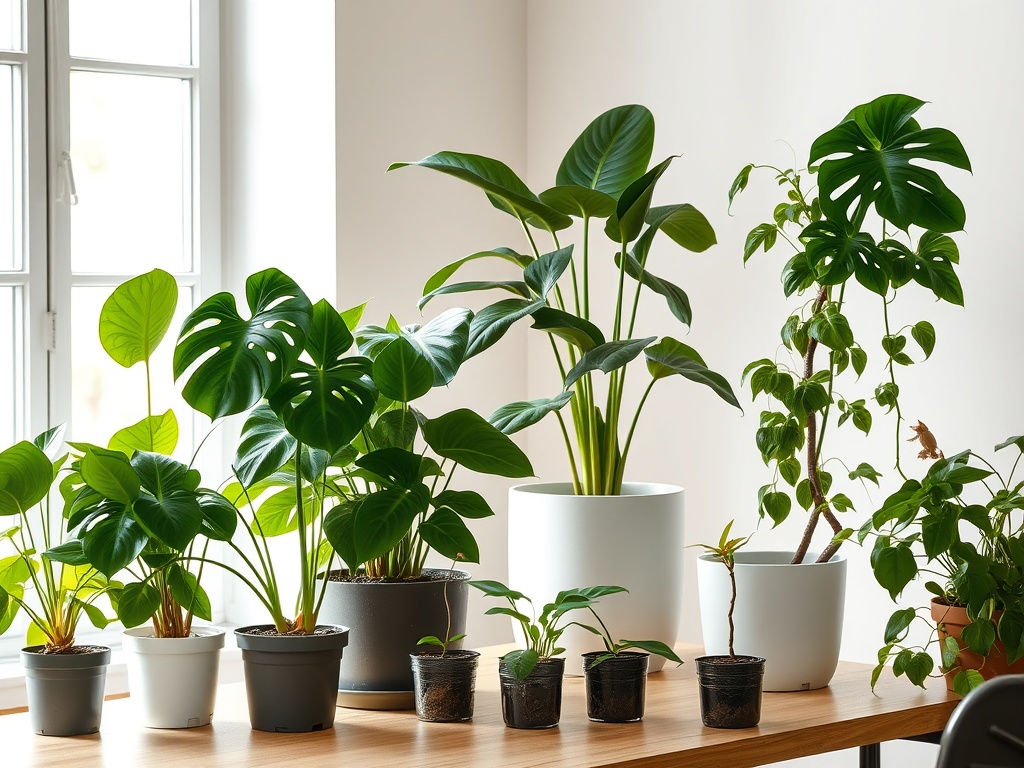
Pothos, many vining philodendrons, and Monstera deliciosa can be propagated from stem sections that include a viable node. Make a clean cut with sanitized tools, place the cutting in a suitable moist rooting medium or another method appropriate to the plant, provide bright indirect light, and avoid keeping the cutting so wet that it rots.
Summary: Find the node before cutting. Pothos and vining philodendrons are forgiving stem-cutting candidates, while Monstera cuttings must include a node and axillary bud to produce new growth. Clean tools, moderate moisture, warmth, and patience matter more than elaborate propagation equipment.
Know What a Node Looks Like
A node is the point on a stem where a leaf, aerial root, or bud originates. On pothos and vining philodendron, nodes are usually obvious as slightly thickened joints. On Monstera, the node may be broader and accompanied by an aerial root or axillary bud.
A leaf by itself is not enough for Monstera propagation. University of minnesota extension’s monstera propagation guide explains that successful stem cuttings or divisions need a node, because new growth comes from buds at the stem node. This is the most important identification step before making any cut.
Tools and Materials
Use sharp pruners, scissors, or a clean knife; a small container; water or a well-drained propagation medium; clean pots for later transplanting; and a label if you are taking several cuttings. Sanitize cutting tools before use and between plants, especially if either plant shows spotting, rot, or pest damage.
Do not propagate from a visibly unhealthy plant simply to save it unless you can identify a healthy, unaffected section. Inspect stems and leaf undersides for pests. If the parent plant has widespread disease or severe root problems, treating the source plant may be a better first step.
Propagating Pothos From Stem Cuttings
Choose a healthy vine with several leaves. Cut below a node, then remove any leaf that would sit below the water line or be buried in propagation medium. One cutting can contain a single node, but a slightly longer cutting with more leaf area may be easier for a beginner to handle.
Pothos can root in water, and many home growers like the visibility. It can also root in a suitable moist medium. Penn State Extension’s pothos houseplant guidance notes that propagation by stem cuttings is commonly successful, particularly during the active growing season. Keep the cutting in bright indirect light rather than harsh direct sun.
Propagating Vining Philodendron
For a heartleaf or similar vining philodendron, take a stem cutting below a node and remove the lowest leaf if necessary. Insert the node into a moist propagation medium while keeping the remaining leaf above the surface. Some growers root philodendron in water, but media-based propagation can help roots adapt directly to a solid substrate.
Illinois Extension’s philodendron guide lists stem cuttings and air layering as propagation methods. Non-vining philodendron types can grow differently, so identify the plant before assuming the same cutting method applies.
Propagating Monstera Deliciosa
Select a stem section with a clear node and, ideally, an axillary bud. Make a clean cut through the internode rather than slicing into the node. Large Monstera cuttings can be top-heavy, so choose a stable container and support the stem without burying the petiole too deeply.
Aerial roots can remain on the cutting. They may help anchor it in a medium, but the key feature is still the node. Keep the rooting medium moist and well aerated. If using water, keep leaves out of the water and change the setup if it becomes foul or stagnant.
Water vs Propagation Medium
Water propagation is easy to observe, making it useful for beginners who want to watch root development. The trade-off is that water-grown roots develop in a different environment and may need adjustment after potting. A sterile, well-drained medium such as perlite-based or purpose-made propagation mix can provide both moisture and oxygen around the node.
There is no single method that is always best. Choose the method you can monitor consistently. Avoid ordinary garden soil for fresh indoor cuttings because it can be dense and may introduce pests or pathogens.
Light, Temperature, and Moisture
Bright indirect light supports photosynthesis without exposing stressed cuttings to intense sun. Warm household temperatures are generally suitable for these tropical plants. Avoid cold windows, heating vents, and dramatic temperature swings.
Moisture should be consistent but not stagnant. In media, keep the rooting zone damp enough to prevent wilting while allowing air space. In water, keep the node submerged and leaves above the surface. Yellowing, black soft tissue, or a foul odor can indicate rot or poor conditions.
When to Pot Up a Rooted Cutting
Do not transplant simply because the first tiny root appears. Wait until the cutting has a small, healthy root system that can anchor it in potting mix. The exact timing varies with species, season, light, temperature, and method. Roots should look firm and healthy rather than brown and mushy.
Choose a pot only slightly larger than the root mass and make sure it drains. After potting, water thoroughly and allow excess water to leave the container. Keep the plant in similar light for the first adjustment period instead of moving it immediately into stronger sun.
Troubleshooting Common Problems
If a cutting wilts quickly, check whether the node is actually in contact with moisture and whether too much leaf area is demanding water before roots exist. If the stem turns black and soft, remove rotted tissue with sanitized tools and reassess moisture, temperature, and cleanliness.
If roots form but no shoot appears on a Monstera cutting, confirm that the piece includes an axillary bud as well as a node. If a pothos or philodendron cutting is slow in winter, lower light and temperature may simply reduce growth. Supplemental lighting can help when natural light is weak, but it should be positioned and timed according to the plant and fixture.
Place New Plants Thoughtfully
Propagation often creates more plants than expected. Plan where mature vines will go before every cutting becomes a permanent pot. Keep foliage away from hot routers, vents, and electronics. If you are already working on Wi-Fi coverage in a larger home, do not hide routers behind dense plant displays that could interfere with airflow or access.
Outdoor spring work can also provide useful plant-care habits: the guide to refreshing mulch and edging reinforces the broader principle of keeping organic material and moisture where roots need them without piling material against stems. For households with low basement plant shelves, review sliding-door and basement-window security so plants and stands do not obstruct required exits.
Grow the Collection One Healthy Node at a Time
Successful propagation begins with correct plant identification and a healthy node. Make clean cuts, use an airy and clean rooting environment, provide bright indirect light, and let roots develop before potting. Keep notes on what works in your home, because light and temperature can make two rooms behave very differently.
This houseplant content is for informational and educational purposes only. Some houseplants can be toxic if ingested; keep plants and cuttings away from children and pets as appropriate, and seek professional horticultural or veterinary guidance for specific safety concerns.