Cluster: Home Safety, Security & Preparedness | Content Type: How-To | Search Intent: Informational | Audience: Intermediate | Funnel: Top of Funnel
Sliding doors and basement windows become harder to force when you improve the lock, limit movement in the track or sash, address lift-out vulnerabilities, improve exterior visibility, and keep emergency exits usable. The best approach uses several compatible layers rather than relying on one gadget.
TL;DR Start by repairing weak frames and latches, add an appropriate secondary lock or track device, make sure sliding panels cannot simply be lifted out, and secure accessible basement windows without blocking required fire escape. Lighting, visibility, alarms, and good habits support the physical hardware.
Begin With a Door-and-Window Audit
Inspect every sliding door and basement window from both sides. Check whether the frame is loose, the latch fully engages, the door can be lifted in its track, glazing is cracked, or fasteners are missing. On basement windows, identify the operating type: sliding, double-hung, hopper, casement, or fixed. The security method should suit that mechanism.
Also identify which openings are part of a required emergency escape route. The Seattle Police Department’s home security guidance specifically warns that security improvements should not come at the expense of fire safety and recommends maintaining an easily usable exit from rooms where needed.
Step 1: Repair the Primary Lock First
A secondary device should not compensate for a broken original latch. Tighten loose hardware, replace worn keepers, and correct alignment so the primary lock closes as designed. If the frame shifts or the door drags, investigate the cause instead of forcing the latch.
For patio doors, verify that the keeper is firmly attached to sound framing or the designed mounting point. For basement windows, make sure the sash closes fully before adding pins or auxiliary locks. A window left slightly open by paint buildup or debris can defeat other measures.
Step 2: Add a Track Bar or Dowel to Sliding Doors
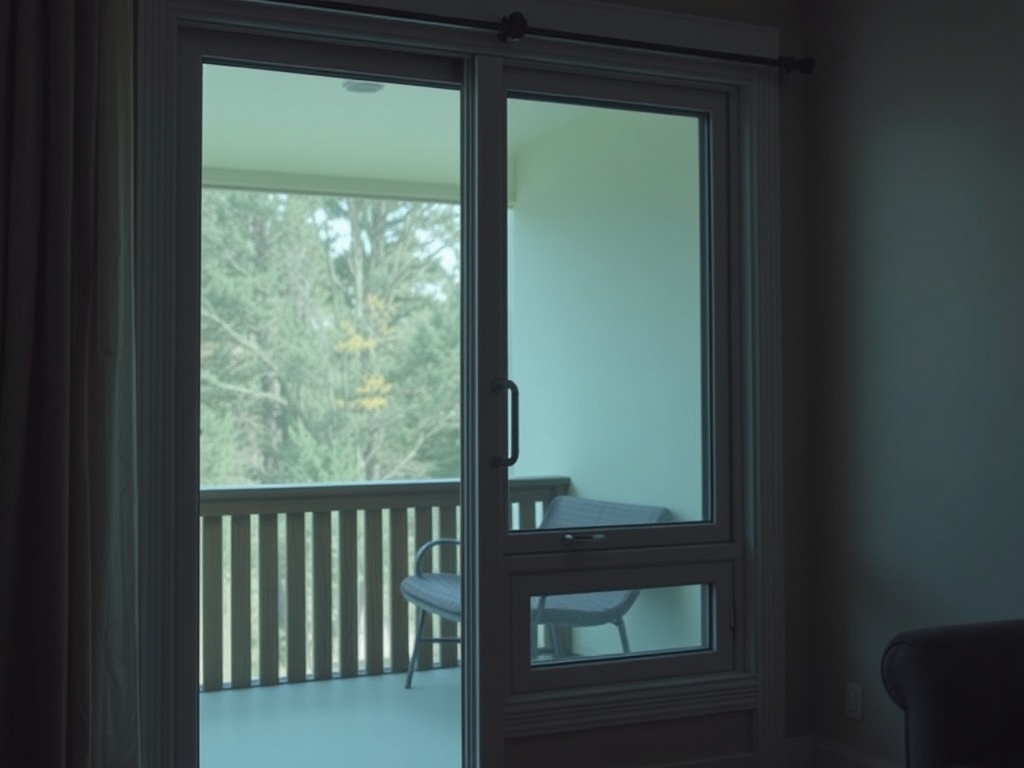
A properly fitted dowel, bar, or commercial track device limits horizontal movement even if the latch is manipulated. The Metropolitan Police Department in Washington, D.C. includes a track dowel or similar reinforcement among its burglary-prevention suggestions for sliding glass doors.
Fit the device so it cannot easily bounce out of position and so household members can remove it quickly from inside. Do not use a makeshift bar that jams so tightly it delays an emergency exit. If the threshold or track is irregular, a purpose-built hinged security bar may be more reliable than a loose stick.
Step 3: Address Lift-Out Risk
Some sliding panels can be lifted vertically enough to clear the bottom track. Anti-lift screws, pins, or manufacturer-approved hardware can reduce that movement. The correct method depends on the frame and door design, so avoid drilling blindly into insulated glass, drainage channels, or structural components.
Open and close the door after any adjustment to confirm it moves freely when the lock is disengaged. A security measure that damages rollers or prevents normal operation may create a new problem.
Step 4: Secure Basement Windows by Type
Sliding basement windows can use track locks or pins similar to sliding doors. Double-hung windows may accept auxiliary sash locks or pins. Casement windows rely on intact operators and locking points. For low, accessible windows, security film or grilles may add delay, but products must be compatible with glazing type and emergency-egress needs.
Avoid keyed locks or fixed bars on a required escape opening unless the system is specifically designed and permitted for rapid interior release. Local fire and building requirements differ, and window-well size, ladder access, and opening dimensions may be regulated.
Step 5: Improve Visibility and Exterior Conditions
Trim shrubs that create deep hiding places around vulnerable openings while preserving healthy landscaping. Direct exterior lighting toward entrances and approach paths without creating excessive glare or light trespass. Motion-activated or dusk-to-dawn lighting can support visibility when placed thoughtfully.
Do not stack firewood, ladders, bins, or furniture where they create climbing access to upper windows. In spring, refreshing mulch and edging is a useful time to inspect window wells, drainage, and vegetation around basement openings.
Step 6: Add Detection Where It Makes Sense
Door and window sensors can alert you when an opening changes state. Glass-break sensors and cameras may add another layer, but electronic devices do not replace sound locks and frames. Place cameras with privacy, local law, and network security in mind.
If cameras or sensors rely on wireless connectivity, improve coverage before assuming the device will be dependable in a basement or exterior corner. The guide to improving Wi-Fi coverage in a larger home explains how router placement, mesh nodes, and wired access points can help.
Common Mistakes to Avoid
Do not drill into an unknown frame without checking the manufacturer’s construction. Do not install bars that trap occupants. Do not rely on decorative latch hardware that never fully engages. Do not leave spare keys hidden nearby. Do not assume a camera prevents physical entry by itself.
Another mistake is improving the opening while ignoring the surrounding wall or frame. If wood is rotted, masonry is cracked, or fasteners pull out easily, repair the substrate first. Security hardware is only as strong as what holds it.
Test the Whole System
After upgrades, lock each opening and gently test normal directions of movement from inside. Confirm the secondary device engages, the panel cannot be lifted excessively, and household members know how to release everything quickly. Practice the emergency route if the opening serves that function.
Recheck hardware after seasonal movement, especially on doors exposed to temperature changes. Dirt in tracks can prevent locks from seating. Lubricate only with products appropriate for the hardware and finish.
Coordinate Security With Renovation Work
If you are replacing floors near a sliding door, do not bury or obstruct the threshold. The comparison of tile, vinyl, and laminate for DIY-friendly floors can help you think about transition height, moisture, and installation details without compromising door operation.
For basement finishing, keep access to windows, wells, and locks visible in the plan. Built-ins, storage, or deep furniture should not make an emergency opening hard to reach.
Build Security Without Blocking Safety
A secure opening should be difficult to force from outside but straightforward for an occupant to use from inside. Repair primary hardware, add compatible secondary locks, reduce lift-out movement, improve visibility, and verify emergency escape requirements before finalizing the setup.
This home-security content is for informational and educational purposes only. It does not constitute security, structural, glazing, fire-safety, or legal advice. Follow manufacturer instructions and local building and fire requirements, and consult qualified professionals for uncertain conditions.