Building energy performance can often be improved without a major renovation by tuning operations, fixing maintenance issues, and using data to focus on the highest-impact changes first. The least disruptive work usually starts with schedules, controls, sensors, envelope basics, and equipment maintenance.
Quick takeaways
- Begin with utility data, operating schedules, complaints, and maintenance history.
- Low-disruption improvements often involve controls, setpoints, sensors, economizers, lighting schedules, leaks, and preventive maintenance.
- Measure results after changes so comfort, reliability, and energy use stay balanced.
Why energy performance is often an operations problem first
For this topic, the core decision is how to recognize risk early without turning every observation into a major project. In practice, owners and facility teams can often reduce waste by improving O&M discipline, controls, scheduling, commissioning-style checks, envelope care, lighting operation, and occupant communication before pursuing major capital projects. The useful approach is to make the work visible, define who owns the next step, and keep records specific enough that another person can understand the condition later. This article is educational and does not replace engineering, code, legal, or project-management advice; local rules, contracts, and professional judgment still control the final decision.
Data to gather before changing equipment
The strongest maintenance and construction decisions start with the conditions that repeat. A single complaint, trip, leak, alarm, or field question may be a small event. A pattern across shifts, seasons, rooms, devices, or trades is different. That pattern can point to design assumptions, installation quality, operational change, or maintenance backlog.
One way to keep the topic connected to the broader facility picture is to compare it with related planning work, such as common causes of nuisance trips in commercial electrical systems, because adjacent systems often create the same documentation and access challenges even when the technical cause is different.
- HVAC schedules running longer than occupancy requires
- Sensors reading inaccurately or located in poor positions
- Simultaneous heating and cooling caused by control conflicts
- Economizers, dampers, valves, or actuators not operating as intended
- Lighting and plug loads left unmanaged after space-use changes
- Deferred maintenance making efficient equipment operate inefficiently
Low-disruption measures that can improve performance
Teams often lose time when they jump straight to replacement, retesting, or blame. A better first move is to separate what is known from what is assumed. Confirm the location, the time, the operating condition, the recent work history, and the people affected. Then decide whether the issue is a safety concern, a compliance concern, an operational nuisance, or an early sign of asset deterioration.
For context, U.S. Department of Energy O&M guidance can help teams frame the issue against recognized industry or public guidance rather than relying only on habit. The guidance should still be interpreted for the jurisdiction, occupancy, contract, and asset condition involved.
Balancing comfort, uptime, and energy goals
Use a simple review sequence: define the problem, confirm the asset or work area, check the latest drawings or records, inspect recent changes, interview the people closest to the work, and decide what must be escalated. That sequence keeps the team from treating symptoms as root causes. It also protects the project or facility record if the issue later becomes a warranty, insurance, code, or contract discussion.
| Area to review | Why it matters | Practical check |
|---|---|---|
| Schedule tuning | HVAC and lighting operate closer to actual occupancy | Review exceptions for 24/7 or critical areas |
| Sensor and controls review | Fewer false readings and less over-conditioning | Document setpoint and sequence changes |
| Air and water balancing checks | More stable comfort and equipment operation | Use qualified personnel for technical adjustments |
| Envelope and door maintenance | Less infiltration and moisture-related waste | Coordinate with window, door, and seal inspections |
The review should include the people who understand the asset, the people affected by the work, and the person responsible for approving the next action. For a facility team, that may mean maintenance leadership, operations, safety, purchasing, a trusted trade contractor, and the owner representative. For a project team, it may include the superintendent, project manager, design professional, trade lead, commissioning agent, and facility contact. The exact group depends on risk, but the principle is consistent: do not let one person make a technical or operational decision without the context needed to judge impact.
Before closing the loop, write down what changed, what did not change, and what should be watched next. That closeout note should mention the affected area, related asset, observed condition, action taken, person responsible, and any follow-up date. If no corrective work is performed, record why the team chose to monitor instead. This keeps minor issues from being rediscovered every few months and helps future teams understand the reasoning behind earlier choices. It also gives managers a cleaner basis for budgeting, warranty discussions, training needs, and capital planning when the same condition appears again across seasons, shifts, vendors, or project phases and renewal planning.

Energy improvement mistakes that backfire
A common mistake is to view improve building energy performance as a narrow technical phrase instead of a sign that people, process, and records may need attention. Another mistake is to apply a standard fix without checking whether the condition is isolated or systemic. Teams should also avoid hiding uncertainty. A note that says what was checked and what still needs review is more useful than a confident but unsupported conclusion.
Documentation is especially important when the issue touches future work. Teams using digital workflows may connect these notes with how to reduce nuisance alarms that bury useful maintenance signals or with broader planning records, so decisions made today do not disappear before the next maintenance cycle.
A phased plan for practical efficiency gains
A useful checklist should be short enough to use and specific enough to prevent vague closeout notes. The point is not to create perfect paperwork. The point is to leave the next technician, manager, owner, or contractor with a reliable starting point.
- Review at least 12 months of utility data where available.
- Compare schedules to actual occupancy.
- Check complaints and hot/cold calls for patterns.
- Fix sensor, damper, valve, and maintenance issues before replacing equipment.
- Track results after each change and adjust carefully.
When the work intersects regulated systems, specialized assets, or occupant safety, compare internal procedures with ENERGY STAR O&M best practices and the applicable local requirements before changing settings, materials, access, or inspection routines.
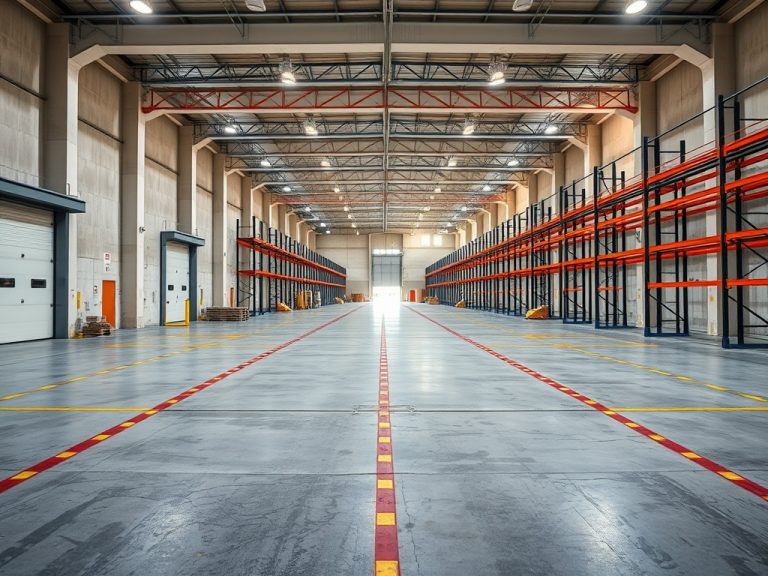
For related operations planning, teams may also review warehouse construction priorities: slabs, doors, racking, and traffic flow when the same records, assets, or building areas affect future maintenance decisions.
Improve performance with less disruption
Energy performance work does not have to start with disruption. A measured operational plan helps teams reduce waste, protect comfort, and identify which larger projects are truly worth planning.
Educational note: This content is for general informational use only and does not constitute professional engineering, legal, compliance, safety, or project-management advice. Consult qualified professionals and local authorities for project-specific decisions.