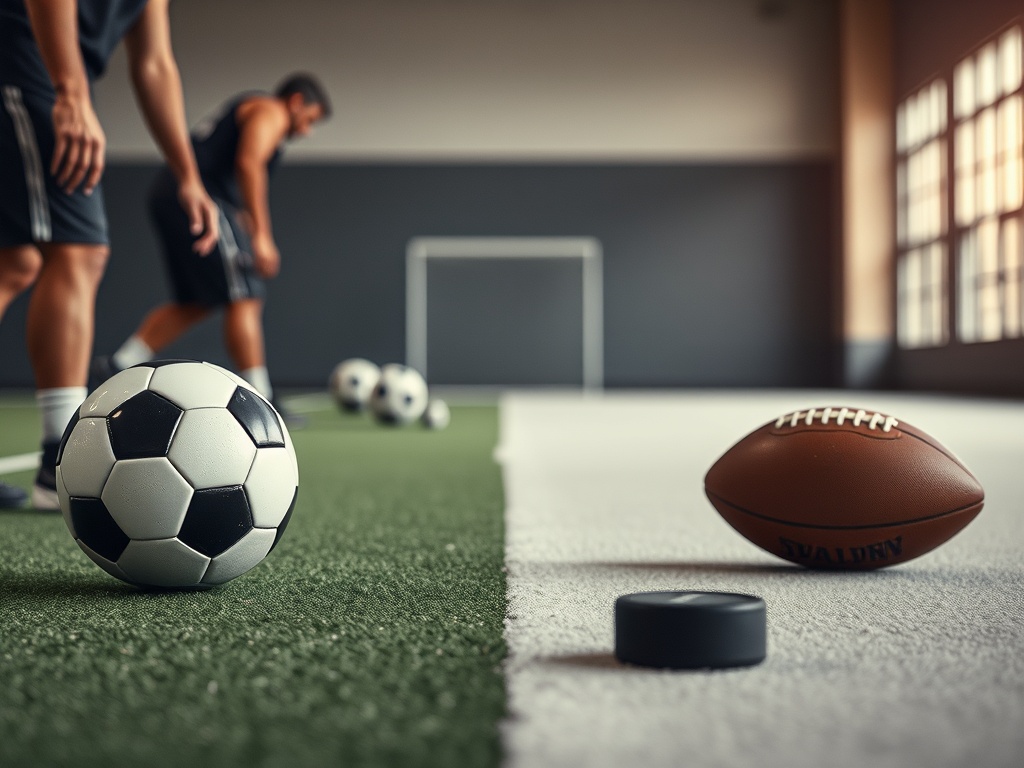
Possession means different things depending on the sport: in soccer it usually describes team control and passing rhythm, while in basketball, football, and hockey it can trigger specific rules about clocks, turnovers, catches, offside, or stoppages. For beginners, the safest way to understand possession is to ask who controls the ball or puck, what rule changes because of that control, and when that control legally ends.
- Possession is not always the same as briefly touching the ball or puck.
- Basketball has formal ideas of team control and team possession; football has strict language around catches, recovery, and simultaneous possession.
- In soccer and hockey, possession often blends rule language with tactical analysis, so context matters.
Why possession is a simple word with sport-specific rules
New fans often hear “possession soccer” and assume it means a team merely has the ball. In everyday analysis, it usually means a team is intentionally keeping the ball through passes, support angles, and pressure avoidance. That is different from a legal ruling after the ball hits a hand, crosses a line, or leaves the field. The official Laws of the Game are maintained by IFAB, but soccer also uses possession as a tactical shorthand that does not always appear as a neat rulebook definition.
This distinction matters because one sport may treat possession as a clock condition, another as a scoring or turnover condition, and another as an analyst’s description of rhythm. A soccer team can dominate the ball without creating chances. A basketball team can be in control even while passing. A football player can touch a pass without completing the catch. A hockey player can carry the puck over the blue line in a way that affects offside review.
How possession works across four major sports
| Sport | What usually counts | Why beginners should care |
|---|---|---|
| Soccer | A team has practical control of the ball through dribbling, passing, or settled play. | It shapes tactics and territory, but not every touch creates meaningful control. |
| Basketball | A player or team holds, dribbles, or passes the ball under rules of control and possession. | It affects shot clock, backcourt, held-ball, and turnover situations. |
| Football | A player secures control of a live ball, such as through a catch, recovery, or interception. | It decides completions, fumbles, turnovers, and down-by-contact rulings. |
| Hockey | A player controls the puck, usually with the stick, enough to affect play or certain rulings. | It matters for offside, delayed penalties, goalie pulls, and puck-management analysis. |
Soccer possession: control plus intent
In soccer, the phrase is often analytical rather than strictly legal. A team may have 62 percent of the ball yet still be vulnerable if its passes are slow, backward, or trapped on one side. Useful possession moves the opponent, opens passing lanes, or protects a lead. Empty possession is comfortable but harmless. To connect this idea to skill development, readers can pair this explainer with footwork drills that improve beginner movement because balance and first touch are closely linked in ball-control sports.
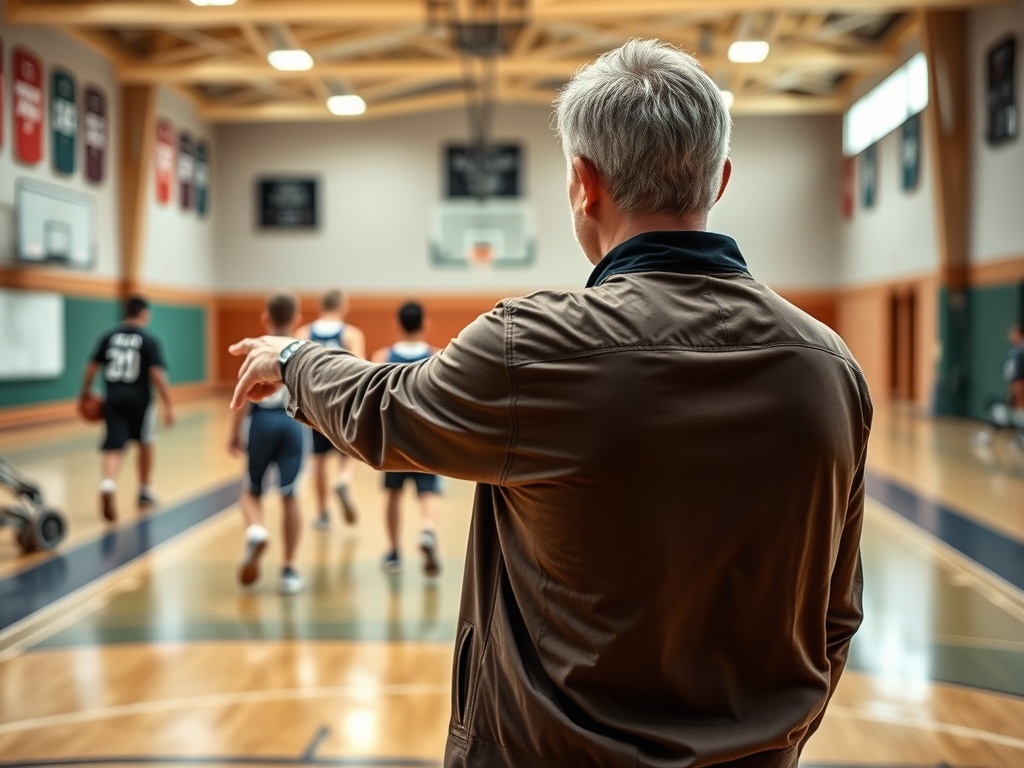
Basketball possession: control changes the clock and options
Basketball uses tighter rule language. The NBA defines team control and team possession in Rule 4, including situations where a player is holding, dribbling, or passing the ball; the wording helps explain why shot-clock and backcourt rules are so precise in live play through the NBA official definitions. A deflection, rim touch, rebound, or steal can change the legal status quickly, even when the sequence looks chaotic from the stands.
Football possession: a catch is more than contact
Football creates many beginner misunderstandings because the ball can be touched, juggled, trapped, recovered, or intercepted without every moment counting the same way. The NFL rulebook distinguishes possession-related actions such as catch, recovery, fumble, and simultaneous possession. That is why a replay review may focus less on whether the ball hit a player’s hands and more on control, body position, and what happened after contact with the ground or defender.
Hockey possession: the puck can be loose and still contested
Hockey moves too fast for every touch to feel settled. A player may chip the puck, race onto it, lose it under pressure, or control it with the stick near the blue line. NHL education materials, including the video rulebook, show why possession and control can matter for offside and other game-flow decisions. For viewers, the key question is whether the player had enough control to make a hockey play, not whether the puck merely brushed the stick.
Common beginner misunderstandings
The first misunderstanding is treating possession as ownership. No player owns the ball simply because it last touched them. The second is treating statistics as proof of quality. Possession percentage can describe rhythm, but it does not guarantee pressure, territory, or good shots. The third is assuming all sports use the same standard. Basketball possession is often a rule state; soccer possession is often a tactical description; football possession is heavily tied to completion and recovery standards; hockey possession blends puck control with speed and space.
Learning possession also helps new officials. When a whistle depends on control, the best officials stay patient and watch the whole action. That approach connects naturally with learning rule enforcement as a new official, especially in sports where a quick touch should not be over-called as control.
How to watch possession more intelligently
Instead of staring at the ball, watch the players around it. In soccer, look for support angles and whether the opponent is being moved. In basketball, watch the shot clock, pivot foot, and whether the defense caused a deflection. In football, watch whether the receiver controls the ball through contact. In hockey, watch whether the puck carrier can choose the next action or is merely chasing a loose puck.
A beginner can improve quickly by using three questions during any game: who controls the object, what rule or tactical option changes because of that control, and what event would end it? Those questions work in living rooms, youth games, and officiating clinics because they keep attention on observable action rather than guesswork.
Read the Game Through Control, Not Just Touches
Possession is one of the best gateway concepts in sports because it links rules, tactics, and decision-making. Once you separate a brief touch from legal or tactical control, confusing plays become easier to follow. Use possession as a lens, then build toward sport-specific rules, scoring, positioning, and officiating language one game at a time.
Practice Examples for New Viewers
Watch one half or period with a notebook and mark only three events: settled control, contested loose moments, and possession-ending actions. In soccer, a settled spell may include several passes under pressure. In basketball, an ending action may be a shot hitting the rim or a defender gaining control. In football, look for the moment control is secured rather than the first touch. In hockey, notice when a player can actually choose a pass, shot, carry, or clear.
This exercise prevents a common viewing trap: following the object without understanding options. A player who controls the ball or puck has choices. A player who only reaches for it, deflects it, or survives pressure may not have the kind of possession that changes the rule or tactical picture.
How possession affects strategy
Coaches use possession to manage risk. A soccer team may keep the ball to rest defensively. A basketball team may slow pace to protect a lead. A football offense may value possession through safe catches and ball security. A hockey team may dump the puck safely when a clean controlled entry is unavailable. None of these choices is automatically good or bad; the value depends on score, time, space, and player strengths.
For beginners, the best next step is to pair rule learning with slow-motion observation. After a confusing sequence, pause and identify the first moment of stable control, the event that ended it, and the rule or tactic that changed. That habit turns possession from a buzzword into a practical viewing tool.
[