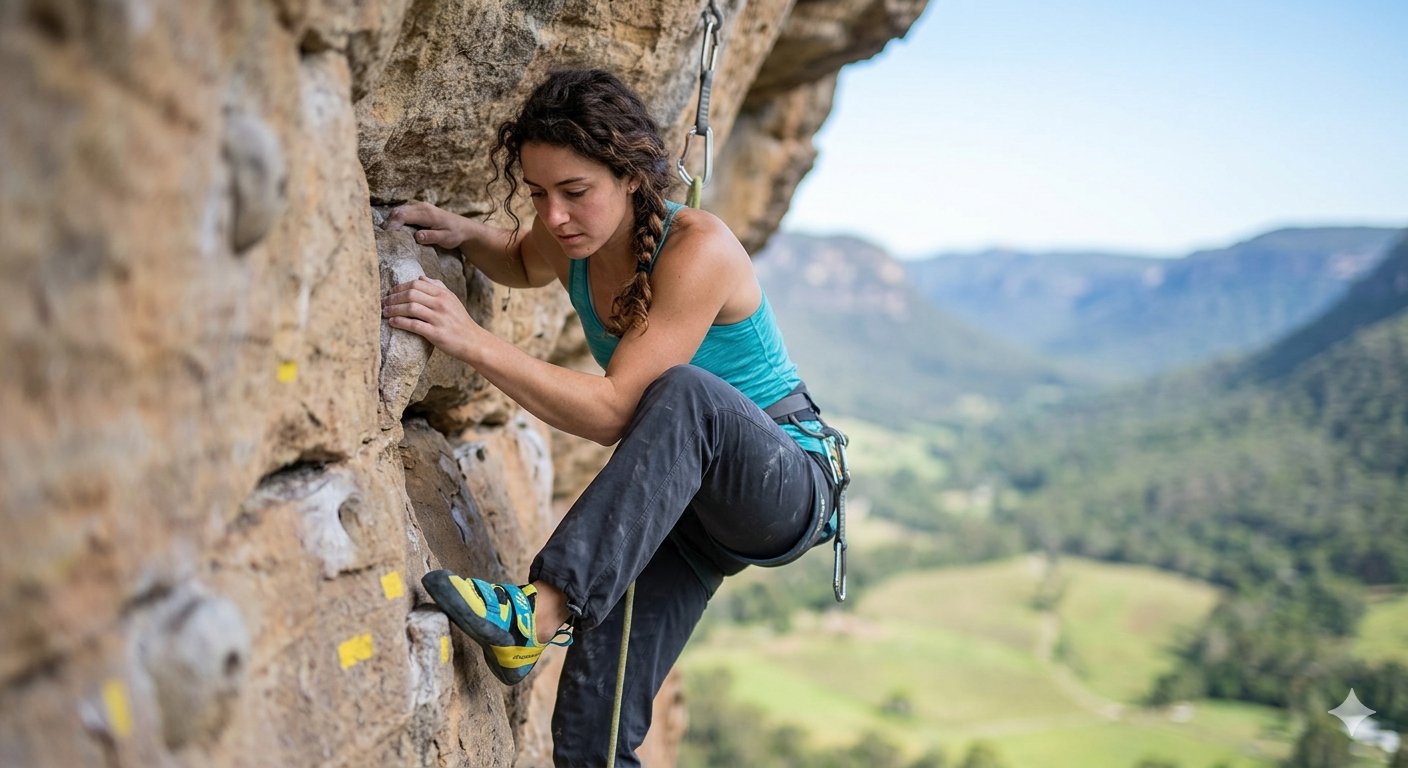
Rock climbing footwork drills make beginners better because they shift attention from pulling harder to standing, balancing, and placing feet with intent. The fastest gains usually come from practicing on easy climbs where the climber can move quietly, pause, and feel weight transfer instead of rushing for the next handhold.
summary
- Use easy routes or boulders so the drill stays technical, not desperate.
- Measure cleaner movement by fewer foot readjustments, quieter placements, and lower forearm fatigue.
- Good footwork connects directly to shoe fit, warm-ups, and mental focus.
The performance problem these drills solve
Many newer climbers think they fail because their arms are not strong enough. Often the real issue is that their feet are imprecise, their hips stay too far from the wall, and they waste energy correcting placements. Climbing technique resources from REI emphasize movement, balance, and body position, which is why footwork practice belongs near the beginning of a climber’s training week rather than after exhaustion sets in.
Footwork is also easier to practice than maximum strength. You do not need campus boards, heavy fingerboarding, or advanced boulders. You need routes two or three grades below your limit, patience, and a willingness to repeat simple moves until they feel controlled.
A four-drill sequence for cleaner movement
1. Quiet feet for awareness
Climb an easy route while trying to make every foothold placement silent. The goal is not to tiptoe; it is to place the toe once with enough precision that you do not scrape, slap, or stomp. If the gym is noisy, judge the drill by feel. A clean placement feels deliberate and stable.
2. One-touch feet for commitment
On the next lap, each foot gets one placement per hold. No tapping around. No sliding until the shoe finds the edge. This drill teaches route reading because you must choose before you move. It also exposes shoe-fit problems; a sloppy or painful shoe makes precise pressure harder. For a deeper gear connection, see the beginner climbing shoe guide before blaming every slip on technique.
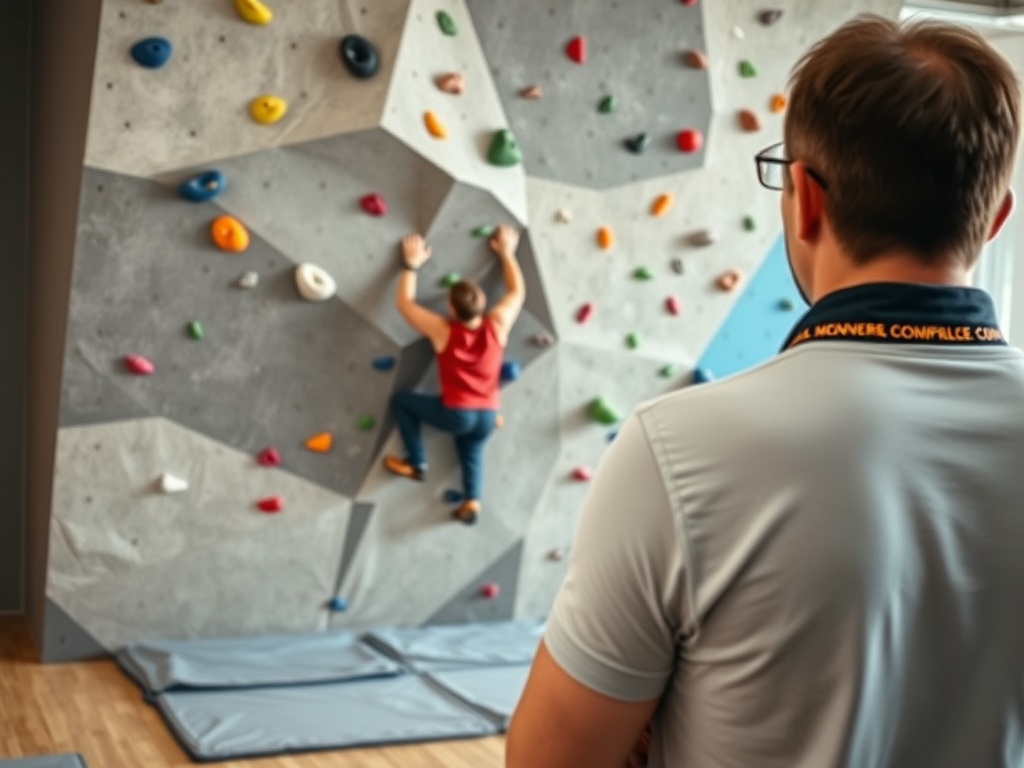
3. Hover feet for balance
Before placing a foot, hover it a few centimeters above the hold for two seconds. Your body must stay balanced while one limb is in motion. This builds hip control and stops the habit of lunging from hand to hand.
4. Downclimbing for pressure control
Downclimb the same easy route rather than jumping or lowering immediately. Downclimbing forces you to look for feet, trust small holds, and move slowly. It also reveals whether you can reverse a sequence without panic.
Weekly routine that keeps drills useful
| Session part | Time | Focus |
|---|---|---|
| Easy warm-up | 8 minutes | Move gently and notice body position. |
| Drill block | 15 minutes | Pick two footwork drills and repeat them. |
| Normal climbing | 25-40 minutes | Apply one cue on regular routes. |
| Reflection | 3 minutes | Record one measurable improvement. |
A useful practice session begins before the first move. Pair these drills with sports-specific warm-ups so ankles, hips, and shoulders are ready for controlled movement rather than surprise strain.
Coaching cues that work
Use short cues: toe first, hips in, look before stepping, stand tall, breathe before reaching. Long instructions overload beginners while they are already processing fear, height, route reading, and grip. A partner can watch for two things only: whether the foot lands once and whether the hips move over the planted foot before the next hand movement.
Mistakes that slow improvement
Do not do footwork drills at your maximum grade. Do not race the clock. Do not turn every session into a strength test. Do not confuse pain with precision. And do not practice only on huge footholds, because real improvement comes from learning how much pressure different edges, smears, and volumes need.
Measure Better Feet Without Guessing
Track simple outcomes for four weeks: number of foot readjustments, how often your foot slips, how pumped your forearms feel after warm-up routes, and whether you can downclimb more calmly. The point is not perfection. It is replacing frantic movement with repeatable choices. Choose one drill for your next session and climb easier than your ego wants; that is where technique becomes visible.
How to scale drills without overtraining
Footwork drills should feel mentally demanding but physically manageable. If your grip is failing, the route is too hard for technique practice. If your feet are skidding because you are tired, stop the drill and climb easier. Quality repetitions beat high volume because the nervous system learns the movement pattern you repeat most often.
A beginner can use a simple progression: first practice on vertical walls with large footholds, then smaller footholds, then slabs, then gentle overhangs. Do not advance every variable at once. Change hold size, wall angle, or speed, but not all three in the same session.
What improvement feels like
Better footwork is not always dramatic. It often feels quieter: fewer emergency reaches, less forearm pump, more time to breathe, and more confidence standing on small holds. You may also notice that route reading becomes easier because you start planning feet before hands.
Use a phone note after each session: one drill used, one cue that helped, one foot slip you understood, and one route where movement felt cleaner. This record makes improvement visible even when grades do not change immediately.
[