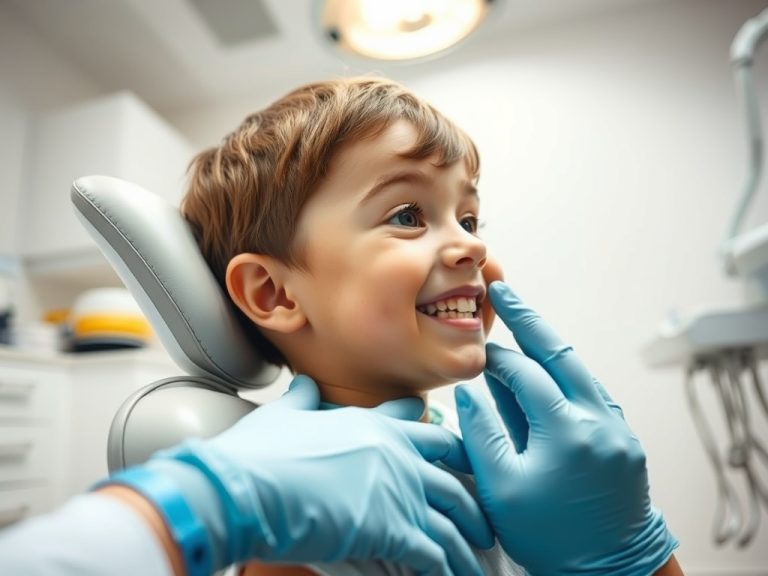
How to Eat and Care for a New Filling the First 24 Hours
Cluster: Restorative Dentistry | Content Type: How-To | Funnel: Top of Funnel
TL;DR The first 24 hours after a filling matter for both comfort and durability. What you eat, how you chew, and how you care for the area directly affects whether the filling sets properly and whether you feel unnecessary discomfort.
Why the First Day Is Different
Getting a filling might seem like a small procedure, but the hours immediately afterward require a bit of attention. Two common filling materials—amalgam (silver) and composite (tooth-colored resin)—behave differently in the short term, which affects what you can do right away.
Composite fillings are cured with a UV light during the appointment and are essentially set before you leave the chair. Amalgam fillings, though less commonly placed today, can take up to 24 hours to fully harden.
The Cleveland Clinic notes that some sensitivity after a filling is expected and usually resolves within a few weeks as the nerve settles.
Eating After a Composite Filling
With a composite filling, you can technically eat as soon as the local anesthetic wears off—usually two to four hours after the appointment. However, waiting is still advisable.
The anesthetic numbs sensation in the treated area, making it easy to accidentally bite your cheek, tongue, or lip without realizing it. Until you can feel the area normally, stick to liquids or very soft foods.
Once sensation returns fully:
- Avoid very hard, crunchy foods—hard candies, nuts, crusty bread, ice—for at least 24 hours
- Avoid sticky foods such as caramel, gummy candy, and chewing gum that could pull at the restoration
- Chew on the opposite side if the filling is near a biting surface
- Avoid very hot or very cold foods if you are experiencing temperature sensitivity, which is common in the first few days
Eating After an Amalgam Filling
If you received a silver amalgam filling, a stricter approach applies. Do not chew on that side for at least 24 hours. The material continues hardening during this period, and early pressure can affect the shape and integrity of the restoration.
The American Dental Association provides guidance on restoration types and the different properties of amalgam versus composite materials.
Foods That Work Well on Day One
Good options for the first 24 hours include:
- Scrambled eggs, soft-cooked eggs, or yogurt
- Mashed potatoes, well-cooked rice, soft bread without a hard crust
- Soft fish, tender chicken
- Bananas, avocado, or ripe melon
- Smoothies or protein shakes—avoid very cold if temperature-sensitive
Brushing and Cleaning the Area
You can brush the filled tooth that evening, but be gentle. Use a soft-bristled brush and avoid scrubbing directly over the filling with firm pressure in the first 24 hours.
Flossing can also continue, but thread floss carefully past the new filling rather than snapping it through—sudden downward pressure can dislodge a fresh restoration, particularly in tight contacts. If floss shreds or catches, mention it at your next visit; that may indicate a rough edge needing minor adjustment.
Common Problems and When to Call
Some sensitivity in the first few days is normal. You may notice the tooth is tender when biting, or that hot and cold foods cause a brief, sharp sensation. This typically resolves within one to two weeks.
Call your dental office if:
- Biting pain is significant and does not improve after two weeks
- The filling feels noticeably high when you bite together
- Sensitivity is getting worse rather than better
- You experience throbbing or continuous pain—this may indicate the nerve is irritated and requires further evaluation
Severe ongoing pain after a filling can sometimes indicate that decay extended close to the pulp. In those cases, understanding the process of choosing an endodontist before you book can be useful if a root canal is recommended.
Questions About Eat Care New Filling First 24 Hours
For Eat Care New Filling First 24 Hours, this part of Questions About Eat Care New Filling First 24 Hours focuses on the symptom history, previous treatment, current medicines, and the result the patient values most before treatment is scheduled, with the same details verified before temporary care is replaced. The clinician should also explain which examination finding supports each recommendation and what information could change it for Eat Care New Filling First 24 Hours when a second opinion is considered, using the examination and health history rather than a general assumption.
Clinical Checks for Eat Care New Filling First 24 Hours
For Eat Care New Filling First 24 Hours, this part of Clinical Checks for Eat Care New Filling First 24 Hours focuses on confirmed findings, measurements, imaging, and health-history factors when maintenance is discussed, with the same details verified before temporary care is replaced. The clinician should also explain what remains uncertain and whether another test or specialist opinion would alter the plan for Eat Care New Filling First 24 Hours during the initial review, using the examination and health history rather than a general assumption. Recording that explanation gives the patient a clearer next step for Eat Care New Filling First 24 Hours when maintenance is discussed, especially when follow-up duties are reviewed before temporary care is replaced.
Comparing Options for Eat Care New Filling First 24 Hours
For Eat Care New Filling First 24 Hours, this part of Comparing Options for Eat Care New Filling First 24 Hours focuses on benefit, limitations, durability, maintenance, timing, and total cost while comfort and function are assessed, with the same details verified before temporary care is replaced. The clinician should also explain how each choice preserves tooth structure or tissue and what backup treatment may be needed for Eat Care New Filling First 24 Hours while recovery expectations are clarified, using the examination and health history rather than a general assumption.
Timing and Recovery for Eat Care New Filling First 24 Hours
Before scheduling How to Eat and Care for a New Filling the First 24 Hours, ask how delays, missed visits, or slower healing could change comfort, cost, and the final result after the examination is explained. The timeline for How to Eat and Care for a New Filling the First 24 Hours should include diagnosis, preparation, treatment, healing, adjustment, and maintenance rather than only the main appointment.
Protecting Your Filling Long-Term
After the first 24 hours, normal eating can resume. Long-term care is straightforward: brush twice daily, floss regularly, and attend scheduled cleanings. Fillings typically last several years, but their longevity depends on the size of the restoration, the material used, and how well the area is maintained.
Avoid habits that put extra stress on restorations—grinding or clenching teeth, biting fingernails, using teeth as tools, or chewing ice.
Planning Notes for Eat Care New Filling First 24 Hours
For Eat Care New Filling First 24 Hours, this part of Planning Notes for Eat Care New Filling First 24 Hours focuses on the clinical findings and the outcome the patient values most before consent is finalized, with the same details verified before temporary care is replaced. The clinician should also explain alternatives, limitations, timing, cost, and long-term upkeep for Eat Care New Filling First 24 Hours before treatment is scheduled, using the examination and health history rather than a general assumption. Recording that explanation gives the patient a clearer next step for Eat Care New Filling First 24 Hours before consent is finalized, especially when follow-up duties are reviewed before temporary care is replaced.