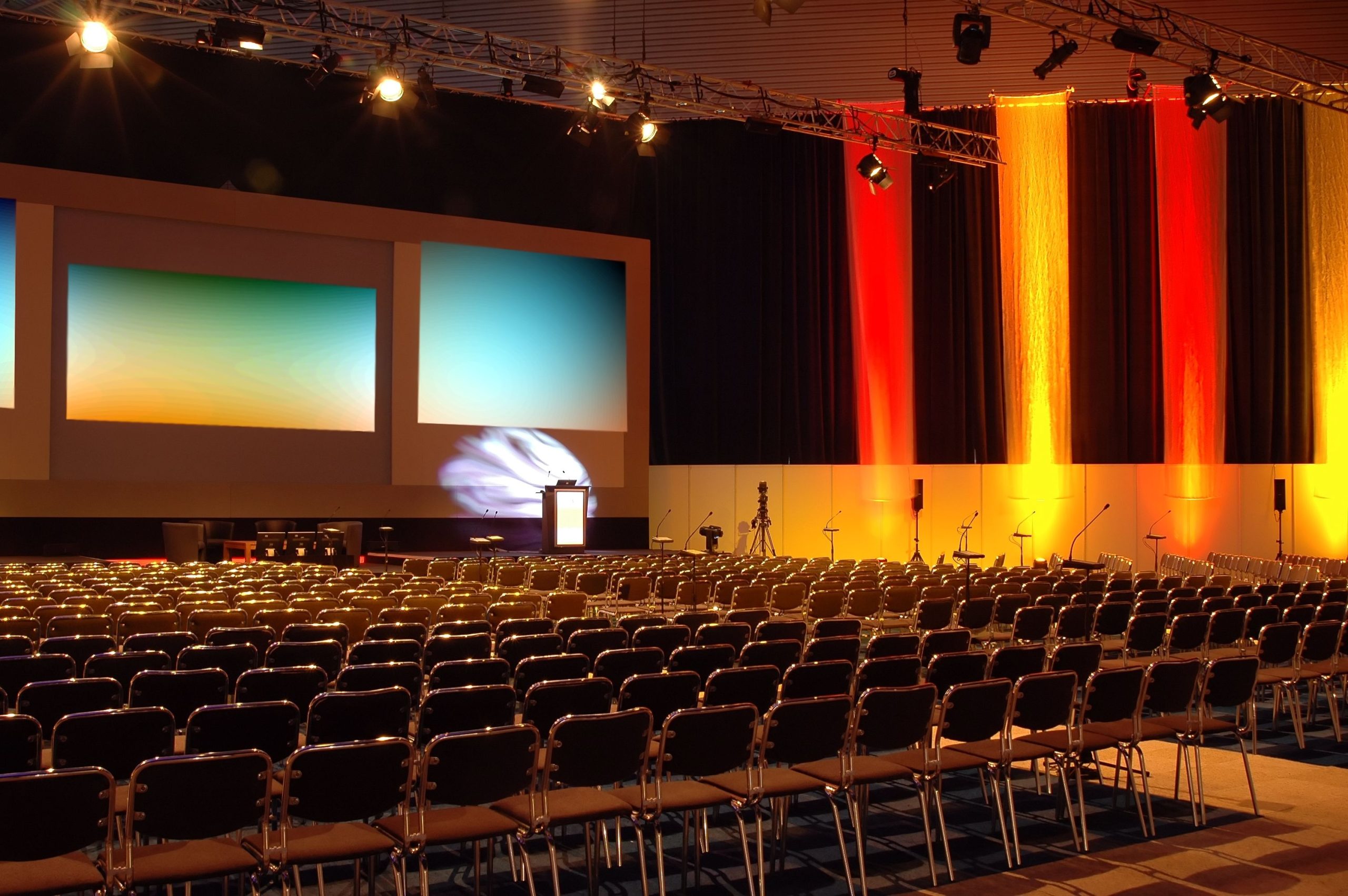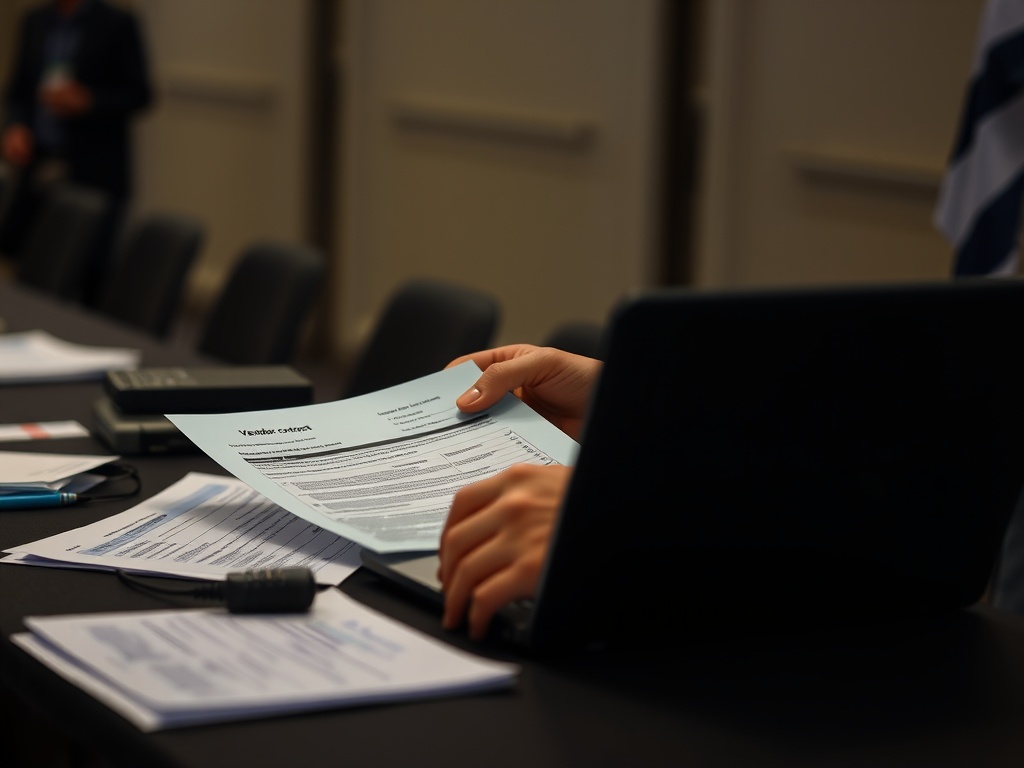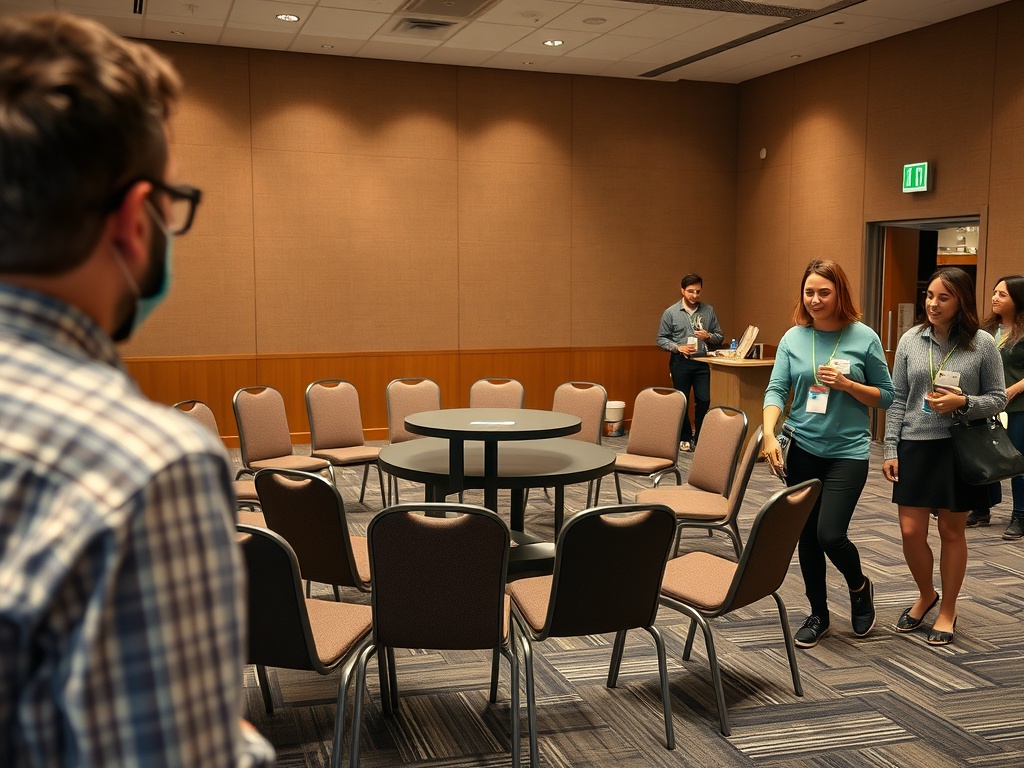
A community event format should be chosen by purpose, participation style, audience trust level, and operational capacity, not by copying the last successful gathering.
Article 2 Key Takeaways: Start with the community outcome before selecting the format. Match facilitation, room setup, access needs, and follow-up to the people attending. A format is only useful when the team can operate it consistently.
Why format decisions shape community trust
Community events are different from one-way presentations because people arrive with social expectations. They may want to learn, contribute, meet peers, support a cause, discuss local concerns, celebrate a shared identity, or build professional relationships. A format that ignores those expectations can feel awkward even if the agenda is technically complete. The best question is simple: what kind of participation should attendees feel safe and invited to give?
A beginner team should avoid thinking of format as a label, such as panel, meetup, town hall, workshop, mixer, pop-up, or volunteer day. Each label carries decisions about seating, pacing, microphones, food, moderation, registration, accessibility, safety, and follow-up. A community roundtable needs a different room setup from a public showcase. A volunteer orientation needs clearer role briefings than a networking reception. A family-friendly local event needs different signage, timing, and support than a professional evening forum.
Which community format fits which goal?
| Format | Best fit | Main risk | Planning safeguard |
|---|---|---|---|
| Town hall | Public updates and listening | Dominant voices control the room | Use moderation rules and multiple question channels |
| Workshop | Learning or co-creation | Too much lecture time | Design exercises with time limits and outputs |
| Meetup | Peer connection | Unstructured awkwardness | Use hosts and light prompts |
| Showcase | Local visibility | Crowding around popular areas | Plan circulation and dwell zones |
| Volunteer day | Shared action | Role confusion | Brief tasks, safety, and supplies clearly |
Use a town hall when the purpose is listening, public updates, or structured discussion with clear moderation. Use a workshop when the purpose is skill-building or collaborative output. Use a meetup when peer connection matters more than formal programming. Use a showcase when local groups, creators, or partners need visibility. Use a service or volunteer format when the event outcome depends on coordinated action rather than passive attendance.
The decision should also reflect audience familiarity. A new community may need more structure, clear welcome language, visible hosts, and lower-pressure activities. A mature community can handle open discussion, member-led sessions, and lighter facilitation. Advanced formats such as unconferences or open-space sessions can work well, but only when attendees understand how to participate and facilitators can protect time, tone, and inclusion.
If the team is still unsure about timing and readiness, the Planning Timeline Checklist: What to Review Before Promotion Goes Live can help connect format choices to promotion dates, approval gates, and operational dependencies before an announcement creates expectations.
Who should be involved before the format is locked?
Format decisions should include the event owner, audience lead, operations lead, accessibility contact, venue or platform owner, and any community representative who understands attendee behavior. Marketing should be involved early, but marketing should not be the only voice. A format that sounds exciting in promotional copy can fail if the venue cannot support conversation, if the facilitator is not prepared, or if attendees do not receive enough context before arriving.
Accessibility and inclusion should be planned at the same time as the format. The W3C event accessibility checklist explains practical considerations for remote, hybrid, and in-person events, including presentations, communication, participation, and materials. For community events, this matters because barriers often show up in small details: no quiet area, unclear entry route, poor microphone practice, crowded seating, rapid Q&A, or registration forms that do not ask about support needs.
Common community event questions
Should every community event include networking? Not always. Networking works when people know why they are in the room and have enough structure to start conversations. For newer communities, guided introductions, table prompts, or small-group discussions may feel more inclusive than open networking.
Should the event be free? Cost depends on the audience, purpose, venue, and funding model. Free events can reduce barriers but may create higher no-show rates. Paid events can support production quality but may limit access. If pricing is used, be transparent about what is included and avoid implying benefits that are not confirmed.
How long should a community event be? The right length depends on energy and purpose. A listening session may work in 60 to 90 minutes. A workshop may need two to three hours. A festival-style event may run longer but requires stronger wayfinding, breaks, staff coverage, and safety planning.
Format comparison for early decisions
| Format | Best fit | Main risk | Planning safeguard |
|---|---|---|---|
| Town hall | Public updates and listening | Dominant voices control the room | Use moderation rules and multiple question channels |
| Workshop | Learning or co-creation | Too much lecture time | Design exercises with time limits and outputs |
| Meetup | Peer connection | Unstructured awkwardness | Use hosts and light prompts |
| Showcase | Local visibility | Crowding around popular areas | Plan circulation and dwell zones |
| Volunteer day | Shared action | Role confusion | Brief tasks, safety, and supplies clearly |
The comparison below is a planning aid, not a universal ranking. Every choice should be adjusted for audience needs, venue constraints, local rules, and organizer capacity.
How to test the format before promotion
Run a tabletop rehearsal. Walk through attendee arrival, check-in, seating, welcome, participation, breaks, questions, exits, and follow-up. Ask what could confuse a first-time attendee. Check whether the format gives introverts, people with access needs, and late arrivals a fair chance to participate. Review microphone practice, moderation rules, and escalation routes for safety concerns.
If room shape is a concern, read Room Layouts mistakes that lead to bottlenecks and dead zones before finalizing a community format that depends on movement, breakout discussions, or activity stations. Room design can support community energy or quietly weaken it.
Choose a format people can understand and the team can support
A community event does not need an elaborate concept to feel meaningful. It needs a clear purpose, respectful facilitation, realistic operations, and accurate communication. Verify event details directly with organizers and venues before making participation or travel decisions. This content is educational and does not replace legal, financial, travel, immigration, safety, or contractual advice.
Participation Design Notes for Community Hosts
A useful community format also needs a host plan. Hosts should know how to welcome first-time attendees, explain the agenda, redirect off-topic discussion, and help people find the right room, table, or digital link. In many community settings, the host experience shapes trust as much as the official program.
The registration form should support the format without becoming intrusive. Ask only for information that improves participation or operations. If a discussion-based event needs topic preferences, collect them early. If a family-friendly format needs accessibility, dietary, or caregiver information, explain why the field exists and who will use it.
After the event, review which moments produced participation and which moments created silence, confusion, or crowding. That review should include the facilitator, onsite staff, and attendee support contacts. Community formats improve fastest when the team studies real behavior instead of judging success only by attendance or applause.
Teams should also decide how community feedback will be captured without making attendees feel surveyed at every turn. A short post-event form, a facilitator debrief, and a record of common questions can reveal whether the format supported participation. Use those findings to adjust the next gathering before changing the entire concept.