Teaching sportsmanship and emotional control to kids works best when adults model the behavior, rehearse the language, and respond consistently after wins, losses, mistakes, and unfair moments. Children do not learn composure from lectures alone; they learn it through repeated, supported practice in real sport situations.
Summary
- Praise effort, choices, and recovery from mistakes more than score alone.
- Use short scripts kids can remember when emotions rise.
- Parents and coaches should agree on sideline standards before conflict appears.
The real decision for adults
Youth sports can support physical, social, and psychological development when the environment is healthy. Resources from the American academy of pediatrics and the aspen institute project play initiative both point toward quality youth sport experiences rather than pressure-only participation. The adult decision is simple but demanding: will we train character with the same consistency as skills?
Define sportsmanship in observable actions
Kids need examples. Sportsmanship means shaking hands respectfully, accepting officials’ calls without insults, helping a teammate after an error, competing hard without mocking, and using winning as a moment for humility. Emotional control means noticing anger or disappointment and choosing the next useful action.
This is not separate from team performance. A player who can recover after a mistake is easier to coach, and that supports bench development and team depth because every player must handle changing roles.
Stage-by-stage coaching language
| Age/stage | Adult emphasis | Useful phrase |
|---|---|---|
| Young beginners | Name feelings and reset quickly. | “Take one breath, then find your spot.” |
| Pre-teens | Connect behavior to team trust. | “Compete hard, respond clean.” |
| Teens | Build accountability and reflection. | “What did the team need from you next?” |
Practice emotional control before games
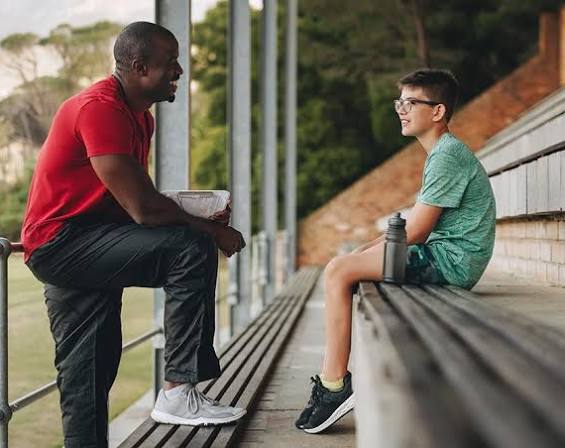
Do not wait for a meltdown to teach composure. Add pressure moments in practice: a bad call simulation, a missed-shot reset, a teammate mistake, a time-limited drill, or a sudden role change. Then rehearse the response: breathe, look to coach, encourage teammate, return to position, play the next action.
Parent sideline standards
Parents shape the emotional climate. A parent code should be short: cheer effort, do not coach from the sideline, do not criticize officials, avoid public post-game correction, and let the child speak first after competition. A quiet car ride can protect a young athlete’s love of the sport better than a tactical lecture delivered too soon.
Coach responses after mistakes
Correct behavior privately when possible and quickly when safety or disrespect is involved. Separate the child from the action: “You are not in trouble for being upset. You are responsible for what you did next.” That sentence keeps accountability without shame.
Warm-up routines can help with emotional stability too. Predictable preparation, like sports-specific warm-ups, gives kids a familiar entry point before competition gets loud.
Pitfalls that create worse behavior
Adults often reward talent while excusing disrespect. They also overreact to one emotional moment, lecture during peak frustration, or allow star players different standards. Kids notice inconsistency quickly. If the team value is respect, it must apply to the best player, the newest player, parents, coaches, and officials.
Make Character a Rehearsed Skill
Choose one behavior standard this week and practice it directly. Maybe it is a missed-call reset or a respectful handshake. Keep it visible, praise it when it happens, and revisit it after competition. Sportsmanship becomes real when children can perform it while tired, disappointed, excited, or under pressure.
What to do after a tough loss
After a difficult loss, children often need emotional space before analysis. Start with food, water, quiet, and a simple acknowledgment: “That was hard.” Later, ask what they are proud of, what they learned, and what they want to practice. This keeps reflection from feeling like punishment.
Adults should avoid blaming officials, teammates, or luck in front of kids. Even when a call is poor, the better lesson is response control. Children can learn that frustration is allowed and disrespect is not.
How to praise winning without creating entitlement
Winning deserves celebration, but the praise should identify behaviors worth repeating: communication, effort, courage, patience, teamwork, and composure. If adults praise only the scoreboard, kids may believe character matters only when they lose.
A balanced post-game routine works for both outcomes: one thing the team did well, one moment of good sportsmanship, one skill to practice next, and one reminder that the child is valued beyond performance.
[