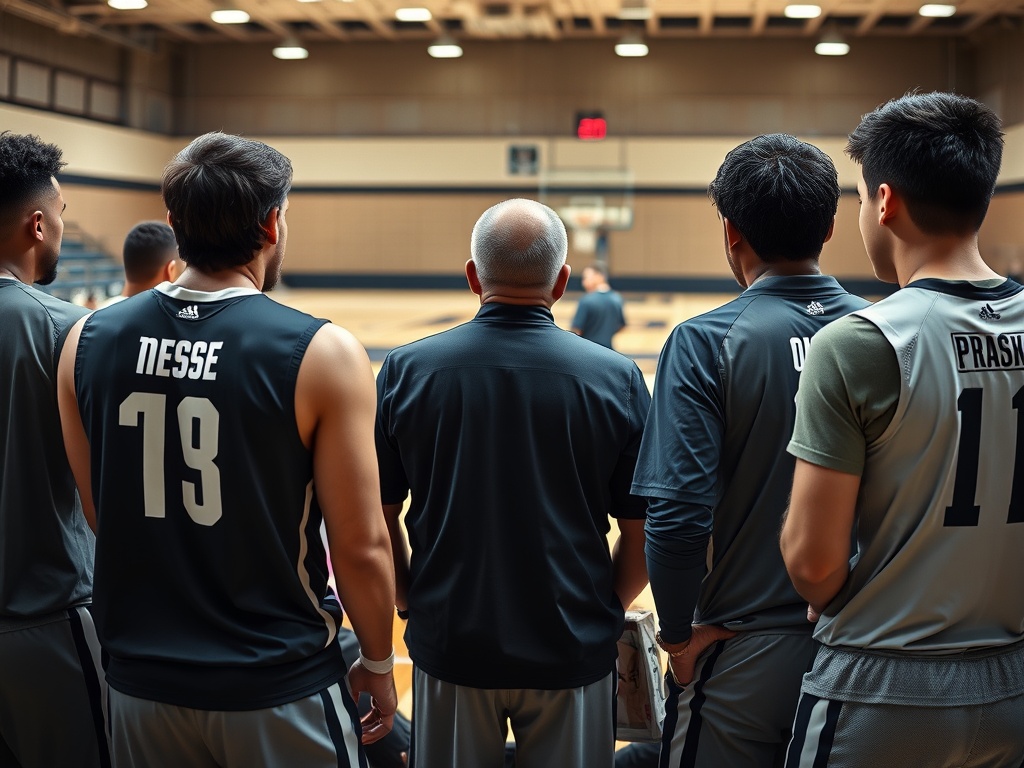
Developing bench players turns depth into an advantage when reserves receive meaningful preparation before the team needs them. The goal is not to promise equal minutes; it is to make every player more ready, more trusted, and more connected to the team’s style when their role expands.
Summary
- Depth is built in practice long before injuries, fatigue, or foul trouble appear.
- Bench development needs role clarity, game-like reps, feedback, and emotional honesty.
- A strong bench protects starters and creates tactical flexibility.
Why bench depth fails on many teams
Bench players often receive the least repetition and the least specific feedback, then are expected to perform calmly when a game becomes urgent. That pattern is unfair to the player and risky for the team. Development starts by treating every role as active, even when minutes are uneven.
A healthy depth plan also reinforces culture. Younger athletes learn that contribution includes preparation, communication, and energy, not just scoring or starting. That connects directly with teaching sportsmanship and emotional control because reserves handle some of the hardest emotional moments in team sport.
Clarify roles without limiting growth
A reserve needs to know today’s job and tomorrow’s path. Today’s job might be defend the opponent’s best shooter for three minutes, win rest minutes, hold shape, protect the ball, or bring pace. Tomorrow’s path explains what must improve to earn more responsibility. Without both pieces, role clarity can feel like a ceiling.
Use practice design to prepare real minutes
Give reserves the same decision problems
Do not only let bench players run scout-team patterns passively. Put them in the real actions the team uses: late-clock possessions, press breaks, penalty-kill moments, set-piece defending, or transition defense. Then coach the decision, not only the outcome.
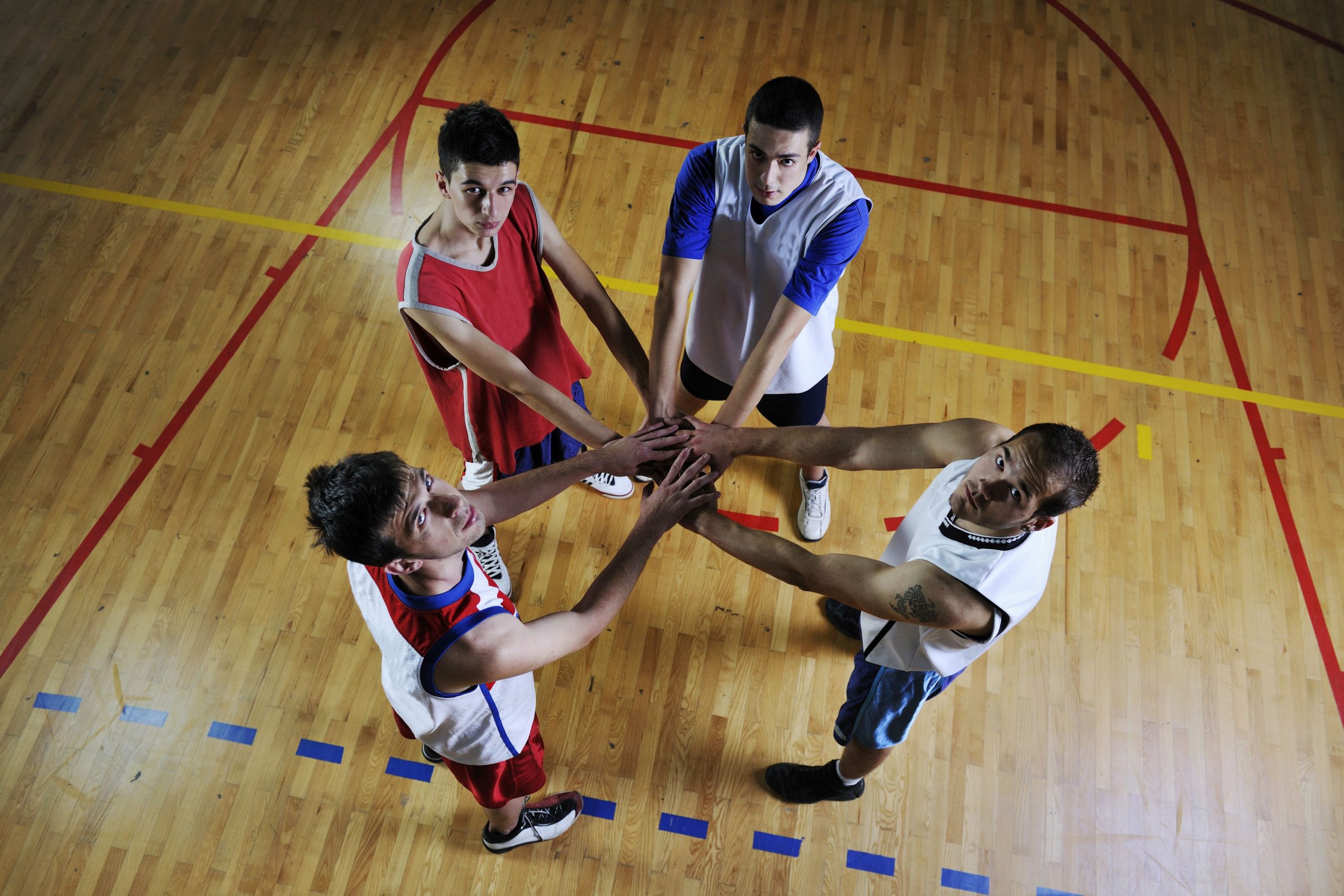
Create pressure in short windows
Bench players often enter games cold. Practice should include two-minute bursts where a reserve must execute immediately after waiting. This mirrors the emotional and physical reality of substitution better than long, comfortable reps.
Pair starters and reserves deliberately
Depth improves when reserves learn timing with starters. Rotate combinations during controlled scrimmages so the second unit is not treated as a separate team. Starters also benefit because they learn how to communicate with different styles.
A bench-development framework coaches can use
| Development area | Coach action | What success looks like |
|---|---|---|
| Role clarity | Define the player’s current game-day job in one sentence. | The player can repeat it without sounding confused. |
| Skill focus | Assign one technical or tactical priority for two weeks. | Feedback stays consistent instead of scattered. |
| Pressure reps | Use short, score-based practice segments. | The player executes while tired or rushed. |
| Review | Show two clips: one useful action, one fix. | The player leaves with a specific next rep. |
Video review should be simple. One clip can show a reserve spacing correctly even without touching the ball. Another can show a missed rotation. The point is to make invisible contribution visible.
Communication that keeps trust intact
Bench players know when minutes are limited. Avoid vague praise that sounds like avoidance. Say what the player is doing well, what is blocking the next role, and how the staff will help. Coaches should not promise minutes they cannot control, but they can promise preparation, attention, and honest criteria.
Officials and staff also shape trust through consistency. When players understand roles, rules, and expectations, they handle substitutions better. For another practical learning pathway, new officials can learn enforcement faster by using similar habits: observation, repetition, and feedback loops.
Errors that waste bench potential
The biggest error is treating bench players as insurance rather than contributors. Other mistakes include using practice only to serve starters, giving reserves garbage-time reps with no feedback, criticizing lack of confidence without creating confidence-building situations, and ignoring the emotional cost of waiting.
Turn Waiting Time Into Prepared Time
Depth becomes real when reserves have rehearsed the exact problems they may face. Start with one role sentence per bench player, one weekly pressure segment, and one useful clip review. That small system makes the team more resilient before the standings or tournament pressure exposes the gap.
How to keep reserves engaged on game day
Bench development is not only a practice issue. During games, reserves should track opponent tendencies, communicate coverage reminders, support teammates, and stay physically warm within competition rules. A player who is mentally in the game before entering is less likely to look surprised by speed or pressure.
Coaches can assign simple observation jobs: watch the opponent’s left-side attack, count transition chances, notice who is tiring, or track a set play. These tasks make waiting active and give reserves useful information when they enter.
What leaders can do
Captains and starters influence whether bench players feel like extras or teammates. Starters should include reserves in huddles, explain adjustments clearly, and avoid visible frustration when a substitute makes a mistake. A team with depth has to trust different combinations, not only the preferred lineup.
The payoff usually appears late in seasons. Teams with prepared reserves can survive foul trouble, injuries, fixture congestion, cold shooting, and tactical matchups. Depth is rarely glamorous, but it is often the difference between a team that has one plan and a team that can adapt.
[