What Plaque and Tartar Actually Are—and Why Brushing Alone Isn’t Enough
Cluster: Oral Hygiene & Home Care | Content Type: Glossary/Definition | Funnel: Top of Funnel
TL;DR Plaque is a soft bacterial film that forms daily. Tartar is what happens when plaque is not removed and hardens. Brushing slows plaque buildup but cannot remove tartar once formed—only a professional cleaning can.
Two Different Problems, One Common Source
Plaque is a colorless, sticky biofilm made up of bacteria that naturally live in your mouth. It forms on teeth continuously—overnight, between meals, and within hours of brushing. The bacteria in plaque feed on sugars and produce acids that, over time, erode tooth enamel and irritate gum tissue.
Tartar—also called calculus—is plaque that has absorbed minerals from saliva and hardened. Once tartar forms, it bonds to the tooth surface and cannot be removed by brushing or flossing. It can develop above the gumline, where it is visible as a yellowish or brown deposit, or below it, where it is not visible but still causes damage.
Why Plaque Is Dangerous Despite Being Invisible
Because plaque has no color and feels like a thin film, many people underestimate how much accumulates on their teeth at any time. Dentists sometimes use disclosing tablets that stain plaque pink or blue so patients can see exactly where it has built up.
According to Medline plus, plaque that is not removed regularly can lead to cavities and, if it reaches below the gumline, inflammation of the gum tissue—the starting point for gum disease.
Dry mouth can accelerate plaque-related problems because saliva normally neutralizes acids and washes away bacteria. If you are dealing with reduced saliva from medications or a health condition, understanding dry mouth causes and what helps is a useful complement to any brushing routine.
How Tartar Forms—and Why It Matters
Tartar typically begins forming within 24 to 72 hours of plaque being left undisturbed, though individual timelines vary. Once hardened, it creates a rough surface that makes it easier for more plaque to stick.
Tartar at or below the gumline can cause gum tissue to pull away from the teeth, creating pockets where bacteria accumulate further. The American academy of period ontology notes that this process, if untreated, can develop into periodontitis—a serious form of gum disease and a leading cause of tooth loss in adults.
What Brushing Actually Does (and Does Not Do)
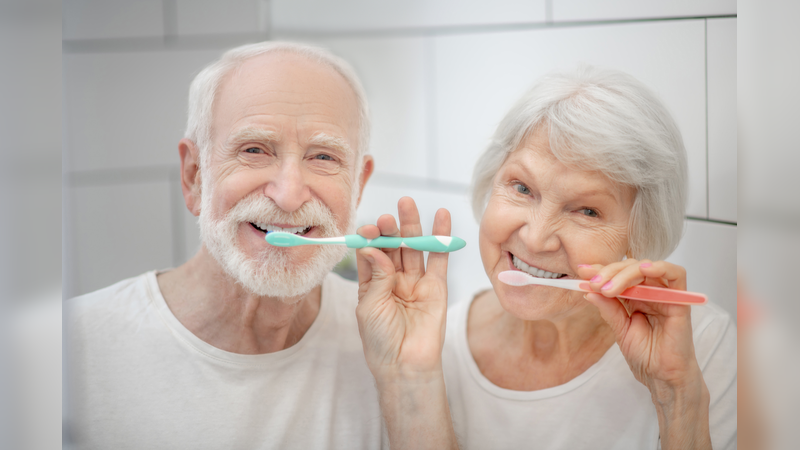
Brushing is highly effective at removing plaque from exposed tooth surfaces—as long as it is done with the right technique, a soft-bristled brush, and for a full two minutes. The most commonly missed areas are the gumline, backs of molars, and surfaces between teeth.
Flossing or using an interdental cleaner addresses the spaces between teeth that a toothbrush cannot reach. Together, brushing and flossing can prevent plaque from hardening into tartar on accessible surfaces.
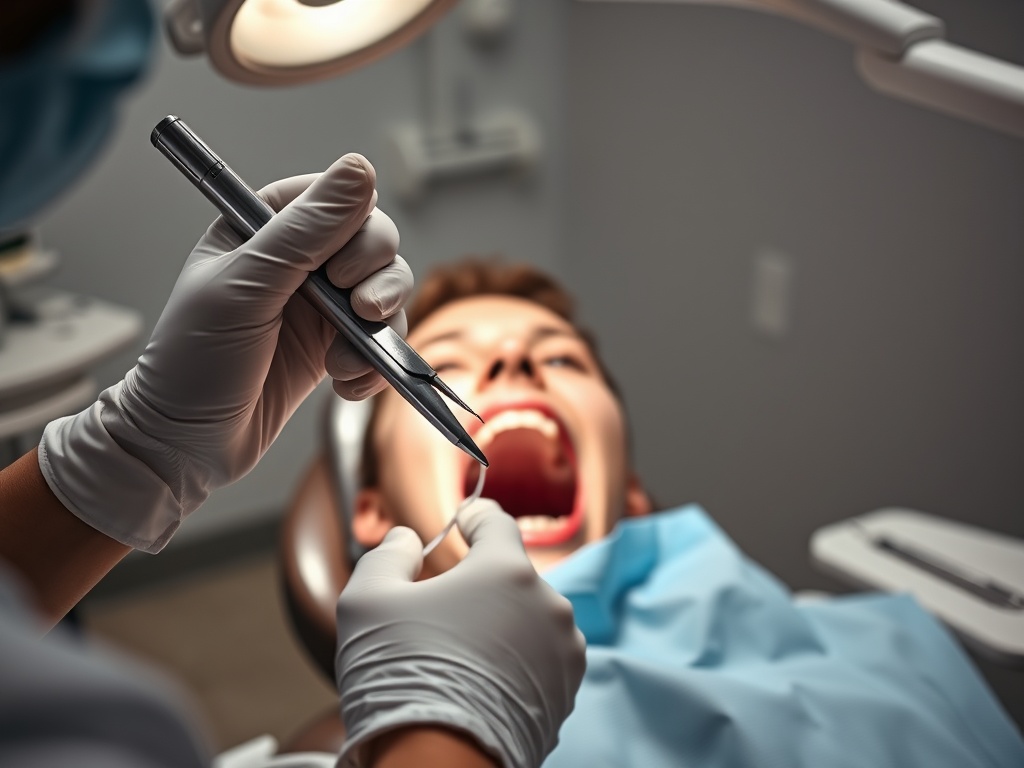
But no amount of brushing removes tartar once it has formed. The instruments used in a professional dental cleaning—scalers and ultrasonic tools—are designed specifically to break apart and remove calculus without damaging the enamel beneath it.
Fluoride, Antibacterial Rinses, and Their Role
Fluoride toothpaste strengthens enamel and can help remineralize very early-stage decay before a cavity forms—but it does not kill the plaque bacteria causing the problem. Antibacterial mouthwashes can reduce the bacterial load in saliva, but they do not penetrate plaque biofilm consistently enough to replace mechanical cleaning.
These tools are useful additions to a routine, not substitutes for brushing, flossing, and professional cleanings.
How Often You Actually Need a Professional Cleaning
The twice-a-year recommendation is widely cited but not universal. Patients with a history of gum disease, high cavity risk, or rapid tartar buildup may benefit from cleanings every three to four months. Patients with excellent home care and low risk may be appropriate for less frequent visits.
The right interval depends on your individual oral health history. If you are unsure about what to expect during your next visit, reviewing the difference between an exam, cleaning, or consultation appointment type can help you prepare.
Keep in mind that misaligned or crowded teeth—sometimes addressed through early interceptive orthodontics—create harder-to-clean surfaces where plaque accumulates more easily.
Questions About Plaque Tartar Actually Brushing Alone Isn’t Enough
For Plaque Tartar Actually Brushing Alone Isn’t Enough, this part of Questions About Plaque Tartar Actually Brushing Alone Isn’t Enough focuses on the symptom history, previous treatment, current medicines, and the result the patient values most when home-care instructions are prepared, with the same details verified when a second opinion is considered. The clinician should also explain which examination finding supports each recommendation and what information could change it for Plaque Tartar Actually Brushing Alone Isn’t Enough when maintenance is discussed, using the examination and health history rather than a general assumption.
Clinical Checks for Plaque Tartar Actually Brushing Alone Isn’t Enough
For Plaque Tartar Actually Brushing Alone Isn’t Enough, this part of Clinical Checks for Plaque Tartar Actually Brushing Alone Isn’t Enough focuses on confirmed findings, measurements, imaging, and health-history factors as the treatment sequence is documented, with the same details verified when a second opinion is considered. The clinician should also explain what remains uncertain and whether another test or specialist opinion would alter the plan for Plaque Tartar Actually Brushing Alone Isn’t Enough before the next appointment is booked, using the examination and health history rather than a general assumption.
Comparing Options for Plaque Tartar Actually Brushing Alone Isn’t Enough
Before choosing a path for What Plaque and Tartar Actually Are—and Why Brushing Alone Isn’t Enough, identify which trade-off matters least and which clinical risk matters most when the diagnosis is confirmed. When comparing approaches to What Plaque and Tartar Actually Are—and Why Brushing Alone Isn’t Enough, use the same criteria for every option: expected benefit, limitations, durability, maintenance, timing, and total cost.
The Takeaway on Daily Care
Brushing twice a day and flossing once daily remain the most well-supported habits for limiting plaque before it becomes tartar. Use a soft-bristled brush at a 45-degree angle to the gumline, spend adequate time on each quadrant, and replace your brush every three months.
Professional cleanings handle what daily care cannot. The two approaches work together—one prevents buildup, the other removes what has already formed.
Who May Benefit From Plaque Tartar Actually Brushing Alone Isn’t Enough
When considering What Plaque and Tartar Actually Are—and Why Brushing Alone Isn’t Enough, ask how smoking, medicines, grinding, hygiene, or earlier dental work could change predictability. Before proceeding with What Plaque and Tartar Actually Are—and Why Brushing Alone Isn’t Enough, identify the factor that would make the dentist postpone care or recommend another approach as the treatment sequence is documented.
Mistakes to Avoid With Plaque Tartar Actually Brushing Alone Isn’t Enough
For Plaque Tartar Actually Brushing Alone Isn’t Enough, this part of Mistakes to Avoid With Plaque Tartar Actually Brushing Alone Isn’t focuses on harsh home remedies, repeated temporary fixes, and delays that hide progression while the expected outcome is clarified, with the same details verified when a second opinion is considered. The clinician should also explain which action could worsen pain, swelling, bleeding, fit, or tissue damage for Plaque Tartar Actually Brushing Alone Isn’t Enough before consent is finalized, using the examination and health history rather than a general assumption.